Industrial Sanitation Services
Your business requires routine sanitation based upon potential hazards, operational volume, food allergen presence, and regulatory checks, combined with documented records supporting food safety protocols, regulatory audits, and public health standards. The following sections detail critical cleaning system elements.
Key Takeaways
- Sanitation specialists from Brampton service restaurants, grocery departments, commissaries, warehouses, bakeries, schools, mobile vendors, and allergen-sensitive operations.
- Zone-based workflows disinfect high-touch surfaces, food-contact equipment, kitchens, floors, drains, restrooms, and storage areas for preventing cross-contamination.
- Qualified vendors validate proper chemical concentration, alignment, and contact time, then file completion with swabs, inspections, and correction logs.
- Maintenance schedules need to comply with danger, production volume, transitions, spills, and guidelines, with regular, recurring, and seasonal operations assigned by section.
- Liability, colour-coded implements, hazard analysis knowledge, sanitation expertise, safety training education, references, and assessment-ready maintenance paperwork are critical provider attributes.
Which Brampton Venues Need Food Safety Cleaning?
Food safety cleaning is required for any Brampton facility that manages, stores, prepares, packages, or distributes food. Apply it to your establishment if it meets the criteria for public health review, food regulations, or HACCP protocols. This includes eateries, cafes, warehouses, supermarket areas, meat markets, fish stands, convenience outlets, and institutional food areas.
You'll equally need adherent sanitation standards in warehouses, food manufacturing plants, cold storage sites, retail bakeries, school nutrition programs, banquet halls, and meal delivery hubs. Portable business models matter as well, such as food trucks, event sellers, and temporary stalls. When your workers prepare supplies, portion finished foods, reheat items, or manage allergen inventory, your location requires documented cleaning protocols. In Brampton, cleanliness remains compulsory; it comprises regulatory, business, and safety adherence.
What Do Brampton Cleaning Experts Clean?
Professional cleaning teams specializing in Brampton sanitize touched surfaces, food preparation areas, floors, and restrooms to satisfy food safety standards and health requirements. Focus on these locations stems from extreme cross-contamination risk, injury hazards, and compliance issues.
Knowing their service areas enables you to validate your operation's sanitation satisfies operational demands and regulatory compliance.
Emphasizing High-Touch Surface Disinfection
Brampton sanitation experts emphasize high-touch surface sanitizing because these touch areas can transmit harmful microorganisms and food particles throughout a location. You require a documented schedule for sanitizing door handles, push plates, switches, railings, shared equipment controls, POS terminals, and refrigerator pulls. Implementing contact point analysis, experts pinpoint every regularly used area and establish cleaning intervals
check that cleaning was proper and support remedial steps when results fall exceed specified thresholds
Cooking Zones, Walking Surfaces, and Restroom Environments
Professional cleaners in Brampton concentrate on kitchens, floors, and restrooms given that each location involves specific contamination control, falling hazards, and health code requirements. In industrial kitchens, you need degreasing on cook lines, equipment exteriors, drains, prep surfaces, and splash zones to minimize bacterial growth and pest activity.
Professional floor care with documentation is also included. is likewise provided as part of the service.
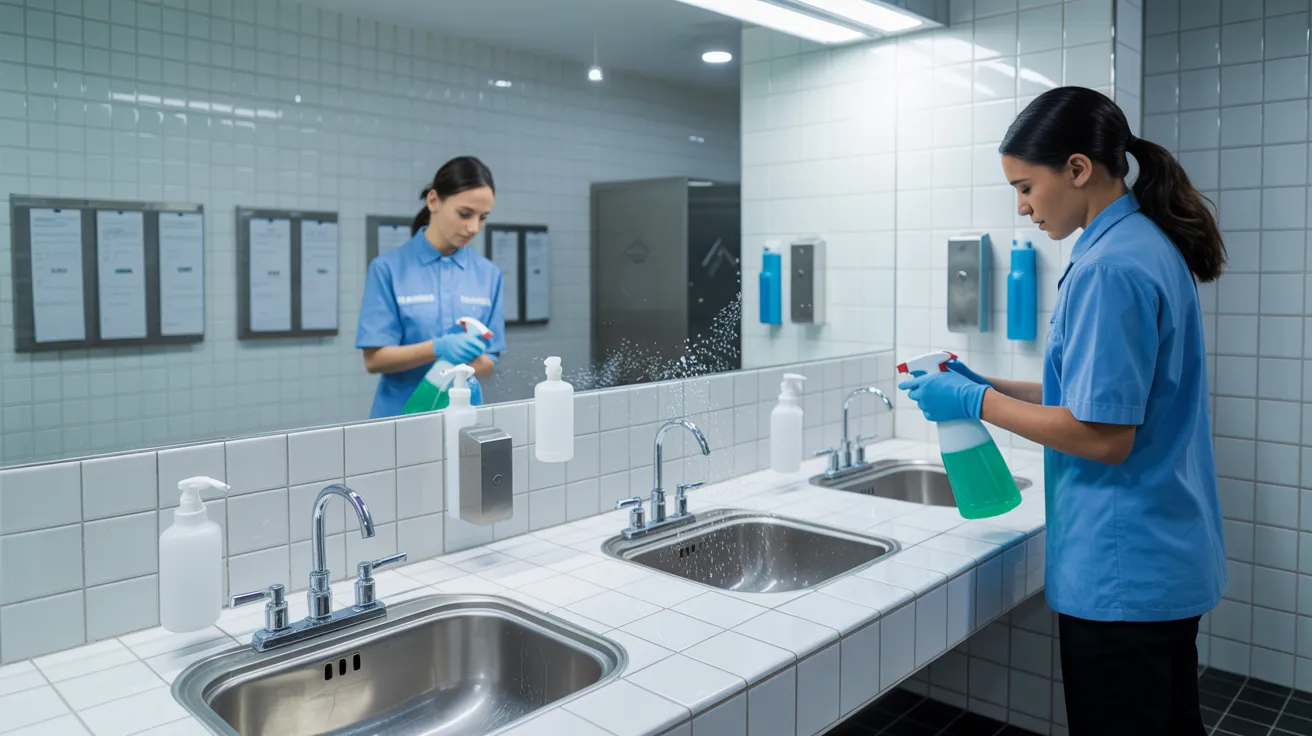
For restroom sanitation, cleaners sanitize touchpoints, fixtures, partitions, dispensers, and waste containers, then replenish amenities and manage odor. They also maintain restaurant cleaning supply rooms where product storage, sink cleanliness, and drain systems impact daily sanitation standards and worker protection.
How Food Safety Cleaning Benefits Brampton Operations
In Brampton, you must maintain sanitary cleaning practices to meet health code requirements and achieve compliance. You also minimize cross-contamination by cleaning and sanitizing food-contact surfaces, equipment, and high-touch areas correctly. Most importantly, you safeguard public health by lowering the risk of foodborne illness in your facility.
Regulatory Code Requirements
Because Brampton food operations operate under mandatory safety protocols, food safety cleaning directly affects your capability to fulfill health code requirements, protect customers, and avoid enforcement action. You must maintain hygienic food handling zones, recorded sanitation plans, correct sanitizer application, and verifiable staff procedures that meet municipal and provincial inspection expectations.
Inspectors examine your operation to verify that your sanitation system maintains safe storage, equipment sanitation, trash control, and facility cleanliness.
Cross-Contamination Prevention
Following regulatory requirements depends on your ability to prevent cross-contamination in routine food work and sanitation. You should isolate raw items from prepared foods, disinfect work areas after use, and maintain separation of cleaning products from food. Clear procedures reduce transfer risks and support consistent compliance during inspections.
Implementing allergen segregation helps keep priority allergens from contacting communal work zones, bins, or devices. Deploy dedicated cutting boards, color-coded tools, and strict utensil labeling so workers don't combine products while preparing or distributing. Require handwashing after handling fresh proteins, aquatic items, egg products, or allergen materials. Refresh cleaning cloths often, and validate disinfectant levels using test strips. When your team learns these guidelines every shift, you create a cleaner, safer operation that satisfies Brampton's food safety needs regularly.
Public Health Safeguarding
When sanitation protocols breaks down, you don't just risk a failed inspection—you heighten the likelihood of food-related sickness affecting customers, staff, and the wider Brampton community. You also weaken your role in safeguarding community wellness, especially in busy food facilities where pathogens travel quickly through surfaces, equipment, and touchpoints.
You require sanitation protocols that remove contaminants, disinfect correctly, and confirm effectiveness. This involves adhering to exposure times, employing authorized sanitizers, logging schedules, and training employees to meet regulatory standards. These mechanisms support pathogen reduction by decreasing microbes before contaminating food or surfaces. Across Brampton, strong cleaning protects at-risk populations, limits outbreak risk, and shows your diligence. When you maintain proper protocols, you exceed regulations—you meaningfully reduce risk and enable safer food service city-wide.
How Does Cleaning Support Food Safety Compliance?
Upholding thorough cleaning protocols bolsters food safety compliance by decreasing contamination threats, limiting pathogen development, and maintaining your facility's adherence to sanitation requirements under HACCP-based programs and public health regulations. You validate that product-contact areas are visibly clean and microbiologically controlled, supporting documented preventive controls and inspection readiness.
Systematic cleaning further enhances allergen prevention by removing residues that can cause undeclared allergen exposure. When you integrate established sanitation practices with regulatory training, your staff can execute established protocols, apply approved chemicals appropriately, fill out documentation thoroughly, and manage deviations in advance of issues intensify. Ongoing cleaning facilitates supply chain documentation, verifies corrective steps, and exhibits responsibility throughout audits. Additionally, it assists you preserve product quality, sustain compliance standards, and minimize the chances of punitive measures, market recalls, grievances, and preventable health hazards.
Finding When to Schedule Commercial Cleaning
spill incidents, and following-maintenance work
You should also plan periodic tasks on their own
What Should You Look For in Brampton Cleaning Experts?
Start by screening providers against food sanitation standards, not price alone. You should verify that each company understands CFIA, public health, and HACCP compliance standards relevant to your facility. Ask for proof of insurance, WHMIS compliance, documented staff training, and supervision practices. Review whether technicians understand contamination prevention, chemical handling, and traceable sanitation records.
You should further examine operational reliability and accountability. Request references from food facilities in Brampton, then review reply speed, corrective action plans, and communication standards. Validate the company supports supplier audits and can present inspection-ready documentation to regulators or external parties. Confirm equipment receives maintenance, colour-coded tools are applied correctly, and facility-specific risks are recognized. A experienced service protects compliance, product integrity, and your reputation in the market.
What details should a sanitation plan contain?
Establish a documented plan that clarifies every sanitation task, standard, and responsibility before production begins. You should list cleaning frequencies, approved chemicals, dilution rates, contact times, tools, and verification methods for each sector, surface, and equipment. Make sure to include pre-operational inspections, corrective actions, and employee training requirements.
Your strategy should also address contamination prevention controls, waste handling procedures, pest management measures, and written schedules for restrooms, drains, floors, and food-contact areas. Detail how you'll keep raw and ready-to-eat processes separate, support ingredient tracking, and ensure accurate allergen labeling through validated cleaning between product changes. You should assign accountability, maintain signed records, and assess results against regulatory standards, HACCP controls, and customer requirements. When gaps appear, modify procedures immediately and instruct staff.
Frequently Posed Questions about the Plan
Will sanitation providers manage overnight shifts at Brampton facilities?
If you manage regulated spaces, you'll also need documentation that enable inspections and maintain assurance.
Are hazard containment services available from Brampton cleaning experts?
Yes, you can locate several Brampton sanitation experts offering emergency response services. They handle contamination, evaluate risks, isolate zones, and execute rapid cleanup to minimize risk and prevent disruption. You should verify response times, certifications, protocols, and procedures. If your facility needs compliance, choose a service that logs events, maintains standards, and ensures verification.
Will green disinfectants disinfect safely surfaces contacting food?
In essence, eco-friendly disinfectants prove safe for food-handling equipment provided you choose items marked food-safe that meet regulatory standards. Verify exposure duration, dilution rates, and rinsing needs ahead of deployment. Plant-derived products minimize toxic chemical contact, although you should obtain demonstration of efficacy against relevant pathogens. For maintaining residue-free conditions, follow manufacturer directions precisely and ensure the cleaning agent meets relevant food safety standards.
Can cleaning plans be adjusted for production fluctuations?
Certainly, sanitation programs respond to seasonal variations well. Modify timing, labor allocation, chemicals, and validation steps to fit with production rhythms while sustaining regulatory requirements. Lower production downtime through scheduling cleaning during equipment transitions, maximum output, and operational patterns. Also revise written procedures, employee training, and environmental monitoring to address transient threats, additional allergens, or increased soil loads. Regular reviews preserve your strategy current.
Will commercial cleaners teach your staff on hygiene best practices?
Yes, commercial cleaners often train your staff on sanitation best practices. You get staff training on proper chemical use, contact times, cross-contamination prevention, equipment disassembly, and record keeping. They generally follow instruction with HACCP, GMP, and CFIA or local public health requirements. Many perform hygiene inspections to verify compliance, spot deficiencies, and reinforce corrective actions. This helps you sustain uniform processes, pass inspections, and reduce food safety risks regularly.
Final Thoughts
Through engaging Brampton food safety and commercial cleaning specialists, you accomplish much beyond organizing—you ensure your facility for inspections and your standards stay aligned with regulations. From production floors to kitchens, all clean areas and organized zones help prevent pest problems and avoid major losses. Through scheduling maintenance on suitable timelines and sticking to a solid cleaning plan, you source safeguard your team, clients, and your good name. In a tightly controlled regulatory landscape, proper sanitation must be a priority—they are fundamental to success.